DKK Sprachpreis
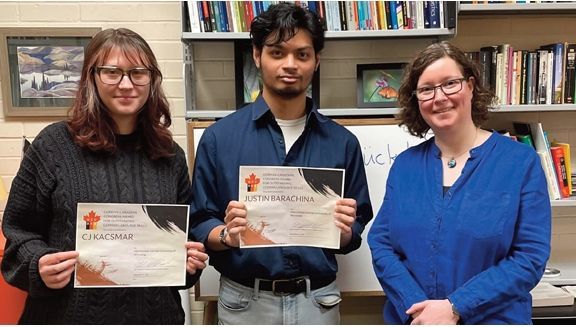
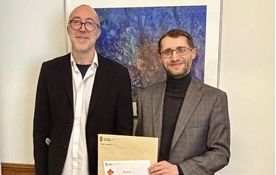
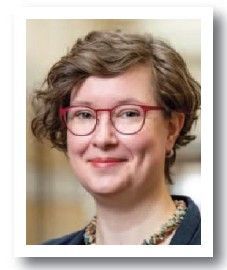
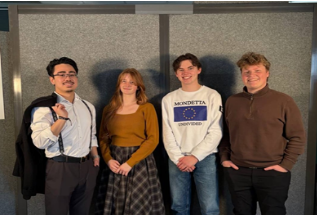
UofW students Camilla Kacsmar and Justin Barachina received this year's GCC German language award from president Lydia Schoeppner.
Die UofW Studenten Camilla Kacsmar und Justin Barachina erhielten den diesjäehrigen DKK Sprach-Preis von Präsidentin Lydia Schöppner.
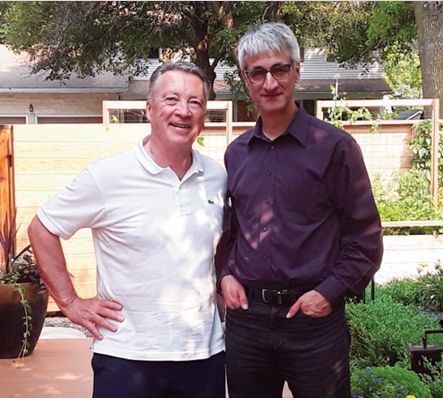
Every year, the GCC honours the special performance of students learning German at universities in Manitoba. Cheques of $250 were handed out this year to four students whose commitment to learning the language was out standing. We wish all four students all the best for their future academic en deavors! In late February, president Lydia Schoeppner was invited by Dr. Kristin Lovrien-Meuwese to meet the two UofW awardees. At the UofM, GCC Vice President Lars Richter handed out the GCC’s awards.
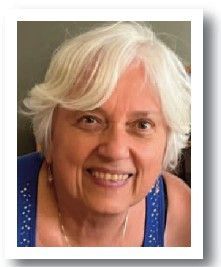
Camilla Kacsmar
Ich heiße Camilla Kacsmar. Ich bin vierundzwanzig Jahre alt. Ich bin im sechsten Semester und studiere Kunstge schichte an der Universität von Winnipeg. Meine Oma hat mein Interesse für Kunst und Deutsch geweckt. Sie malt immer und als ich ein Kind war, haben wir zusammen gezeichnet. Meine Oma kommt aus Köln und ist nach Kanada emigriert. In Kanada hat ihre Familie immer nur Englisch gesprochen. Deutschlernen ehrt meine Familiengeschichte. Soweit habe ich Anfänger und Intermediate Deutschkurse und “Modern German History” belegt, und Deutsch für Fortgeschrittene. Ich lerne gern deutschen Syntax und deutsche Grammatik. Ich denke, das Geschichtsstudium hat mir ein besseres Verständnis von der deutschen Kultur gegeben. Ich freue mich darauf, mein Deutsch im Alltag zu benutzen.
My name is Camilla Kacsmar. I am 24 years old. I am in my third year studying Art History at the University of Winnipeg. My interest in art and German arose from my Oma. She is always painting, and when I was a kid we drew together. She is from Cologne and emigrated to Canada. Once in Canada, her family only spoke English. Learning German is a way to honor my family history. So far, I’ve taken beginner and intermediate German courses, and Modern German History. I am taking Advanced German now. I enjoy learning German syntax and grammar. I think that learning history has given me a better understanding of German culture. I look forward to using German in my daily life.
Sofia Castro:
The course Spies: Stories of Secret Agents, Treason and Surveillance taught by Dr. Stephan Jaeger was a dynamic and captivating experience. It is rich in history and is taught through various mediums. How wonderful it was that students from all back grounds were able to enjoy vital German works about espionage, whether novels, films, documen taries or even graphic novels, in English translations. An intriguing yet sometimes obscure idea such as espionage became alive and animated. Stories that shaped the world we live in today were sensitively contextualized, which gave me a new understanding and connection to our shared past. I enjoyed reading The Honest Spy by Fritz Kolbe in particular, which gave me a perspective of the Second World War through the lens of a historical spy, it was truly fascinating. I enjoyed every single class and take with me a wealth of knowledge that I eagerly share with my friends and family.
Justin Barachina
Ich heiße Justin Barachina. Ich bin auf den Philippinen geboren. Ich studiere English in meinem achten Semester. Ich lese, seit ich mich erinnern kann. Von Geschichten bis Wissenschaft habe ich alles gelesen. Meine Mutter hat gesagt, dass ich Lesen gelernt habe, bevor ich laufen und sprechen konnte. Als ich sechs Jahre alt war, hat mein Vater mir ein Wörterbuch geschenkt. Ich habe es immer noch. Ich arbeite hart für meine Familie. Sie haben mir alles gegeben. Ich habe Anfänger und Intermediate Deutsch belegt und Deutsch für Fortgeschrittene. Ich lerne Deutsch, weil mich die Geschichte und die Struktur von der Sprache interessieren. Ich möchte auch deutsche und österreichische Schriftsteller wie Goethe und Kafka in der Originalsprache lesen. Sprachen sind eine wunder bare Art und Weise für Menschen aus der ganzen Welt zusammenzukommen. Deutschlernen hat mir tolle Freunde und Lehrer gegeben. Im September werde ich in Bamberg studieren und ich bin dankbar für die Chance.
My name is Justin Barachina. I was born in the Philippines. I am studying English in my eighth semester. I have been reading for as long as I can remember. From stories to science, I have read everything. My mother said that I learned to read before I could walk and speak. When I was six years old, my father gave me a dictionary. I still have it. I work hard for my family. They have given me everything. I have taken beginner and intermediate German courses, and I am taking advanced German. I am learning German because I am interested in the history and the structure of the language. I also want to read German and Austrian writers like Goethe and Kafka in the original language. Languages are a wonderful way for people from all over the world to come together. Learning German has given me great friends and a great teacher. In September I will study in Bamberg, and I am grateful for the opportunity.
Fedor Sawazki:
I am humbled and honoured to have been selected for a German-Canadian Congress Award for Best Essay. My essay examines the differences between Goethe’s Faust: Part I and F. W. Murnau’s 1926 film Faust – Eine deutsche Volkssage. I argue that the film radically changes the ideas of the play: that evil arises from the nature of the human condition, not from an external source like the devil; that Faust’s belief in God is quite unorthodox, certainly not Catholic or Lutheran; and that satisfaction is ever elusive and life is activity, not a task to be completed. It is likely that technical constraints, au dience preferences of the 1920s, and religious sensitivities lead to these changes. The film is, none theless, a technical marvel of German expressionist cinema. I would encourage readers to engage with both works, if they have not already done so.